
I bought a car yesterday.
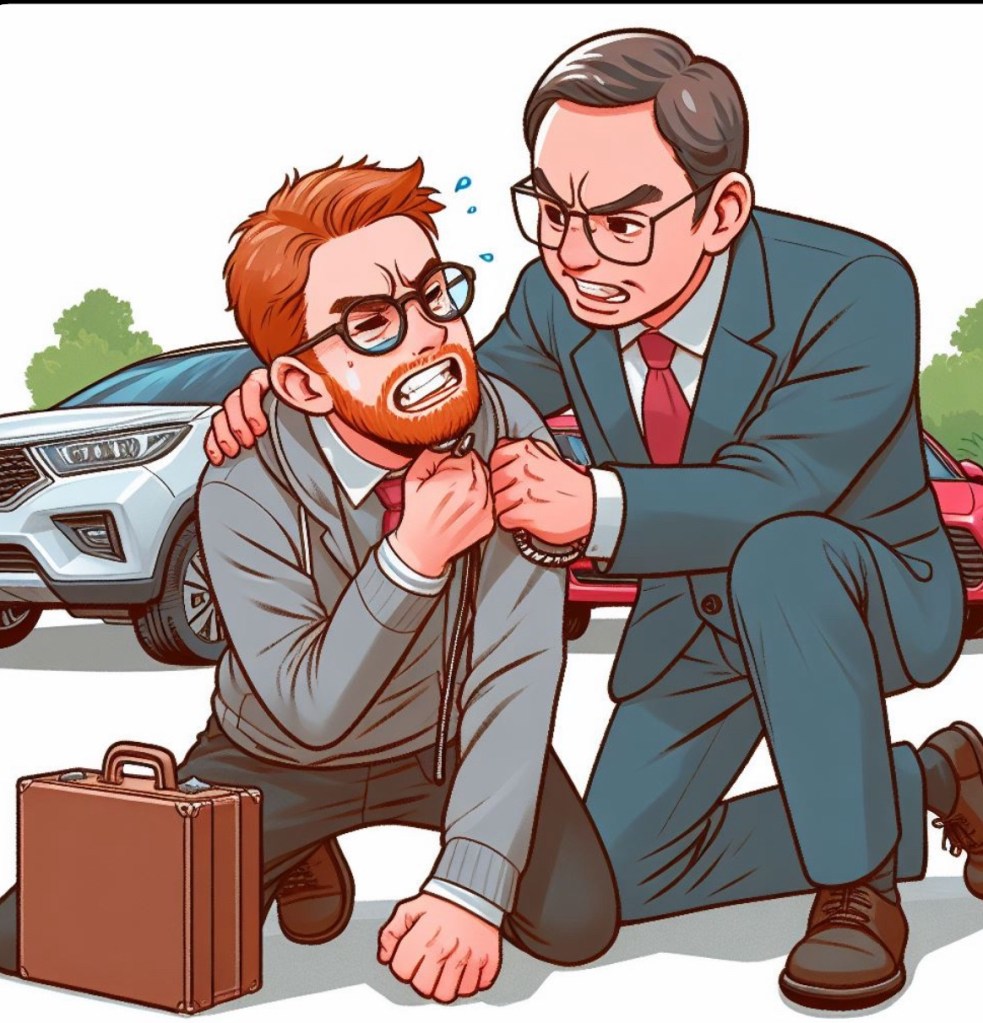
I was at odds with the salesmen. They wanted me to spend as much as possible. I wanted to spend as little as possible.
Their tactic was to draw the experience out as long as they could. The longer I was in that uncomfortable plastic seat, the more likely I’d collapse and agree to buy extras.
I told them in the first minute that I was only interested in paying the price listed online with no extras. We could have wrapped up in 20 minutes. But instead it took nearly four hours. In the end, I got what I wanted, but the whole experience felt hostile.
This is exactly how I feel when a publisher sells premium currency bundles in their games. I will never want to spend more than the cost of entry. That’s always what I’ll feel the total value of the experience is. Seventy dollars or less. The publishers, meanwhile, are convinced that they have a product on their hands worth hundreds or thousands of dollars. For them, the cost of entry is just the starting point. Like the car dealer, they will try relentlessly to sell me junk I don’t want or need. My interests are not aligned with the publisher’s, and the end result is a tense environment, where my guard is up. I can’t relax and enjoy an interactive fantasy when there’s a product manager in the background, trying to optimize my spending potential.
Games should never feel like being at a car dealership. Players should never have to be on guard, in order to protect themselves from price gouging. That should never even be a possibility.
For this reason, I don’t play games that seek to uncap spending potential and obfuscate pricing through the sale of premium currency. And I don’t buy new cars more than once a decade.
 Harpoon Shield