

The games industry is good at driving significant change, all while keeping publishers in lock-step. We’ve gone from sprites to polygons. We’ve jumped from standard definition assets to high definition materials. There have always been some stragglers – Castlevania stubbornly insisted on staying in 2D while its contemporaries moved to 3D, for instance. But more often than not, when the industry leaders whistled, everyone followed.
It’s clear that this is how publishers wanted things to go with the introduction of live service games. This was meant to be the future. In a world with connected devices, everyone would want to play together. To compete, chat, and bond. Games were to be endless, generating strong returns for developers year-in, year-out. Players would choose the cost of the experience for themselves, ranging from $0 to $10K+ per year. There would be no retail middle-men to pay off.
Sounds like a dream, right? Putting obvious issues like price gouging aside, the idea of being able to convince friends to join you in a new game for free is fantastic. And a constantly updated play experience that is kept novel and fresh for years is a major player benefit, too. Live service games was social media evolved as much as it was an evolution of traditional games. You could meet up with a regular crew, and have something fun to do together.
The thing is… a lot of people play video games for the same reason they read novels, or watch movies. They want to escape from everything around them. They need time away after a hard day of placating work colleagues and putting dinner on the table for their family. They want selfish “me” time, where nobody else is invited. For this player base, Sony’s job is to tell them a carefully crafted story at night… not corral their friends together to experience emergent stories in a multiplayer playground.
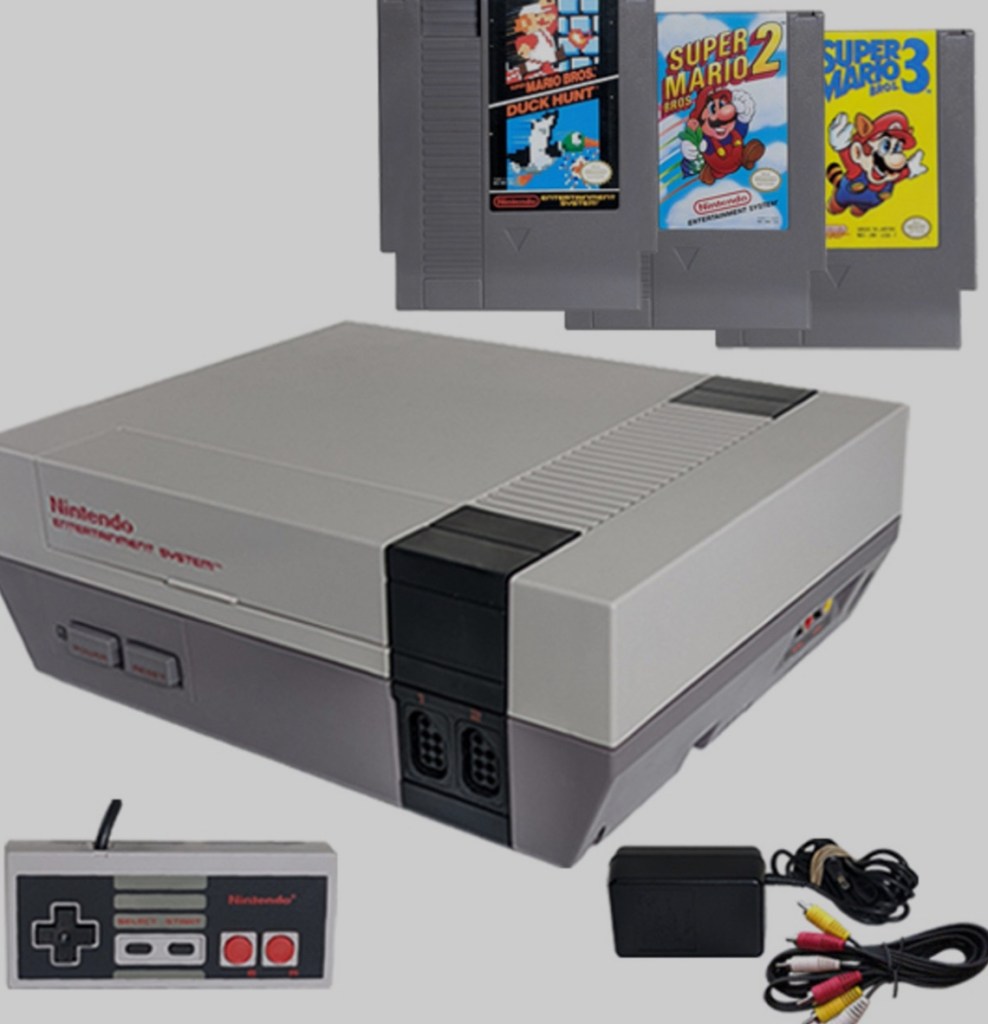
As a middle school kid, the Nintendo Entertainment System played a huge role in my social life. But that was less about playing games with friends together, and more about comparing notes on how to beat single-player games like Super Mario Bros 3 and The Legend of Zelda as efficiently as possible. Sure, sometimes we’d pull out Pro Wrestling or Ice Hockey when we got together, but more often, we’d pop in a rented single-player game like JAWS and work together to figure out how to beat it before it needed to be returned to the video store.
“I beat that cart” was a popular turn of phrase, and in the case of a particularly tough game, a badge of honor. For multiple generations, single-player games were the most popular. This was true from NES to PlayStation 4.
We’ve built decades of great experiences playing single-player games. Our industry’s best artists have elevated the medium into one that can transport you to another world, feeling moved by the plight of the characters on screen.
But live service is more profitable… so artists are being pushed to make those instead. Never mind the fact that it’s effectively a different artistic medium, not just a different genre. Publishers want players to leave single-player games behind, just as they left behind standard definition graphics.
But the inconvenient problem is that live service games cannot provide the rich characters and scripted set pieces that God of War or Spider-Man 2 deliver. They can’t let players be the one hero of the story. That can’t leave you bragging to your friends about having “beaten that cart”.
On top of that, live service games add a layer of dark patterns that players never had to deal with in the early days of multiplayer gaming. You can go from free television to streaming without ads seamlessly, and enjoy the change. But you can’t go the other way, and that’s what live service games are asking of players. They’ve been given a peaceful, up front “pay once and play” model for years… they won’t want to go from that to an endless experience packed with ads, eager to sell you thousands of dollars of digital tat.
There have been many attempts to kill two birds with one stone, providing both a single player experience and a live service experience in one package. Some effectively bundle up two distinct games that share a theme, like “Red Dead Redemption II” coming bundled with “Red Dead Online”. Other games add microtransactions to a stretched out solo campaign as a side hustle, like many of the recent “Assassin’s Creed” games. But virtual currency bundles and loot boxes have always been an incredibly awkward fit for single player titles. If you are only going to spend 50 hours in a game, you’re not going to want to drop $16 on horse armor. Besides, there is nobody to show your gear off to in a solo campaign.
So, instead of players leaving single-player behind, it seems increasingly likely that we will see live service games and single player games emerge as clearly different mediums, managed by different publishers. The sooner this happens, the better. Many of us are tired of having to pay lip service to live service. It’s not our passion, it’s not our field, and it’s not what we want to spend our time on, personally or professionally. Let the product managers tackle that stuff, and let the artists get back to making beautiful stories for an audience of one.
 Harpoon Shield